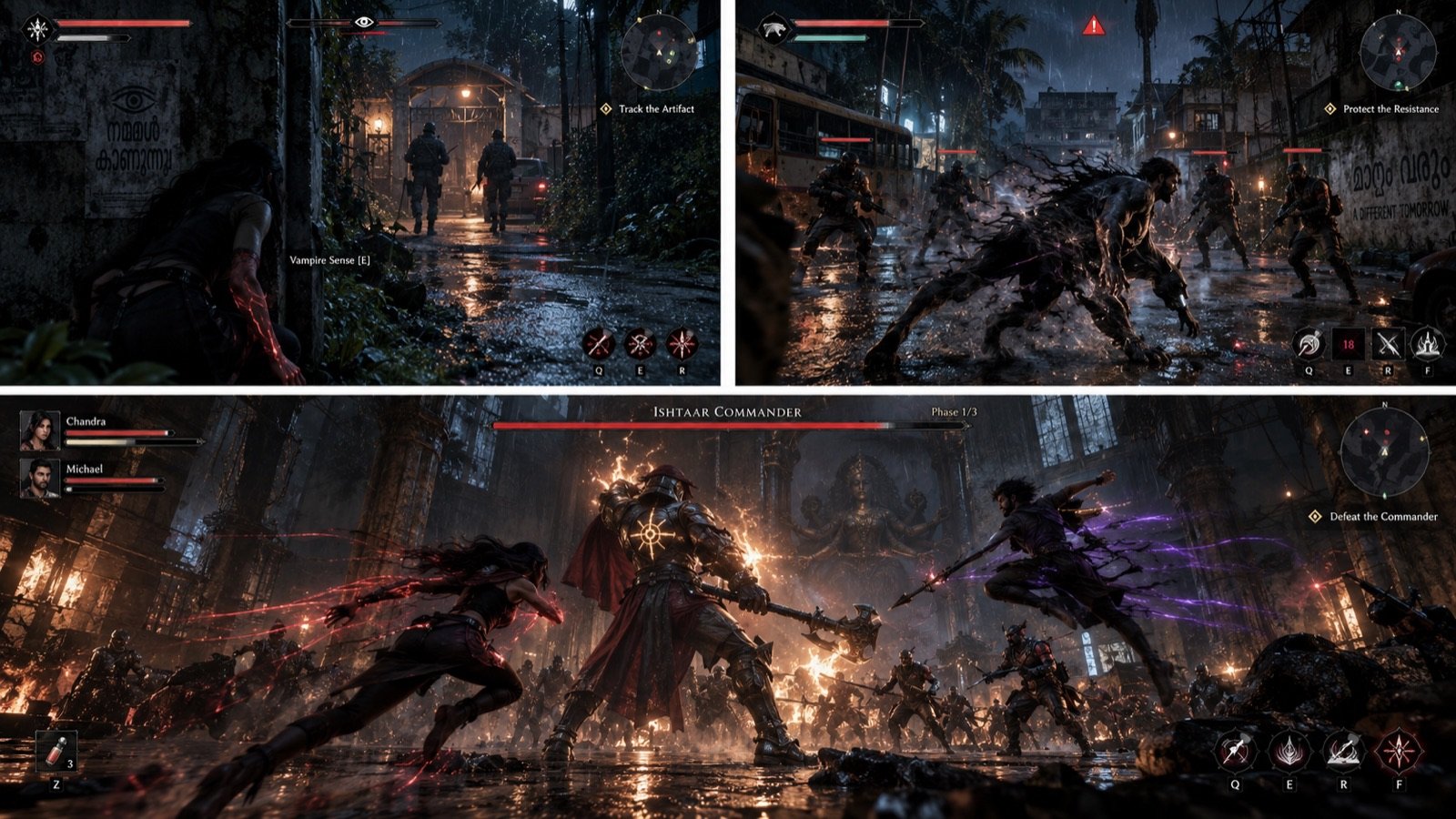
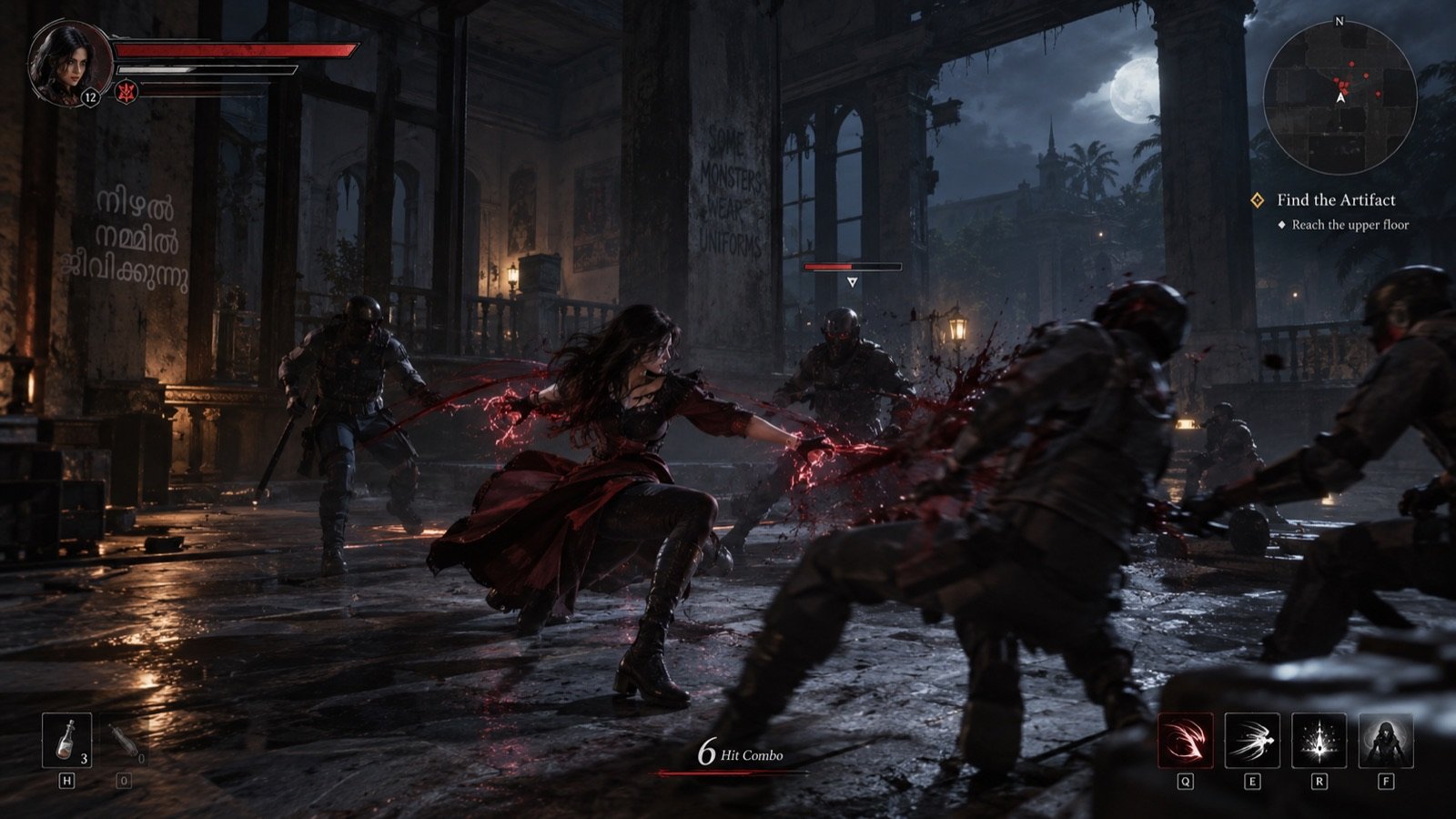
We are not pitching a Lokah game. We are proposing the interactive arm of the Lokah IP — a faction-war action RPG set after the film, built to convert viewers into players.
We want to build the interactive arm of the Lokah IP.
What looked finished on screen has evolved into a hidden, large-scale war between Ishtaar's Troops and the Alliance of Humans and Moothavar's faction. Both sides field different kinds of beings, each with unique powers, health conditions, strengths, and weaknesses — a foundation of secrecy, political tension, and supernatural violence.
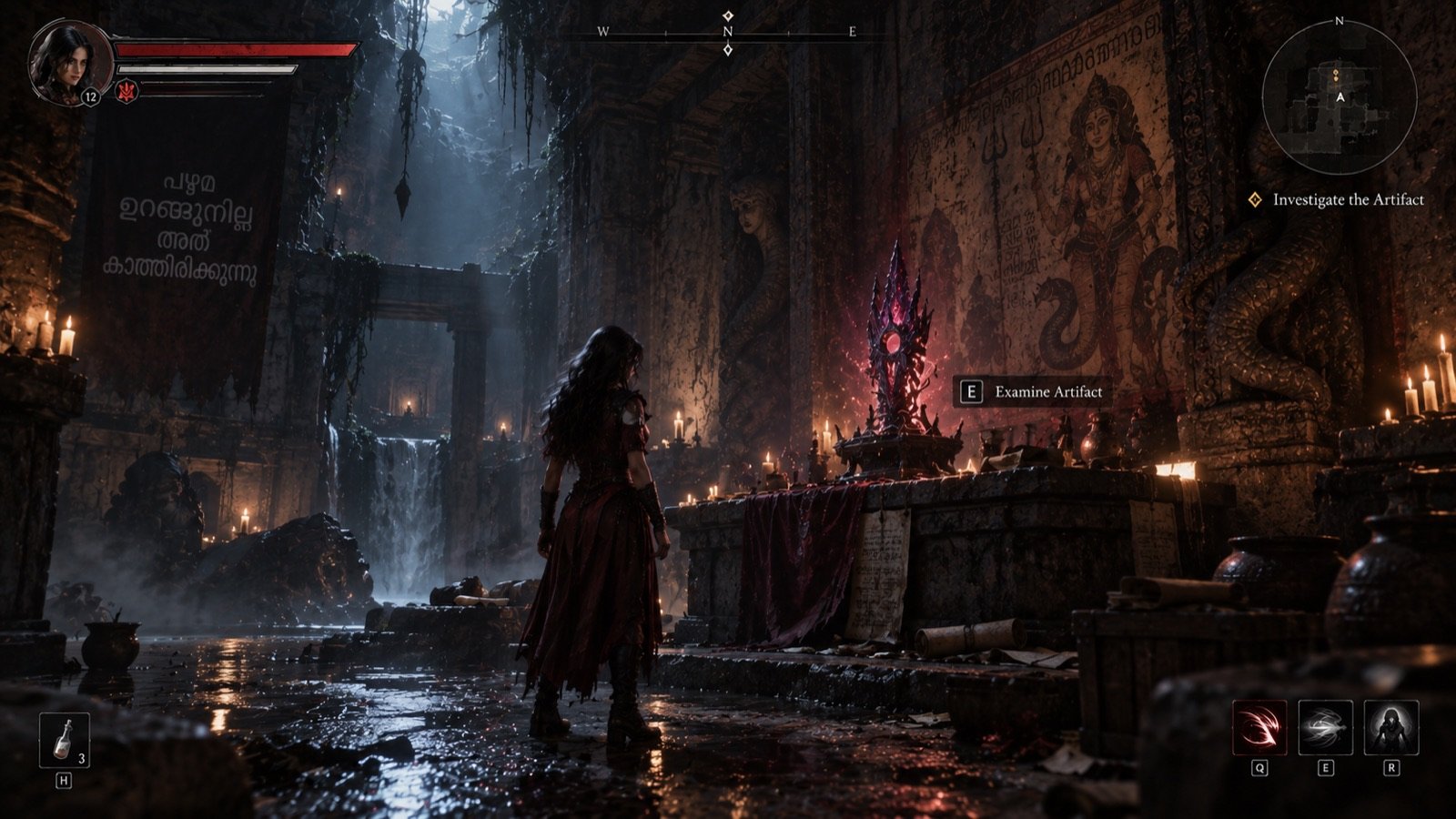
At the center of it all are secret artifacts holding sensitive truths about supernatural origins and weaknesses — truths that could endanger the peaceful, unaware world if exposed.
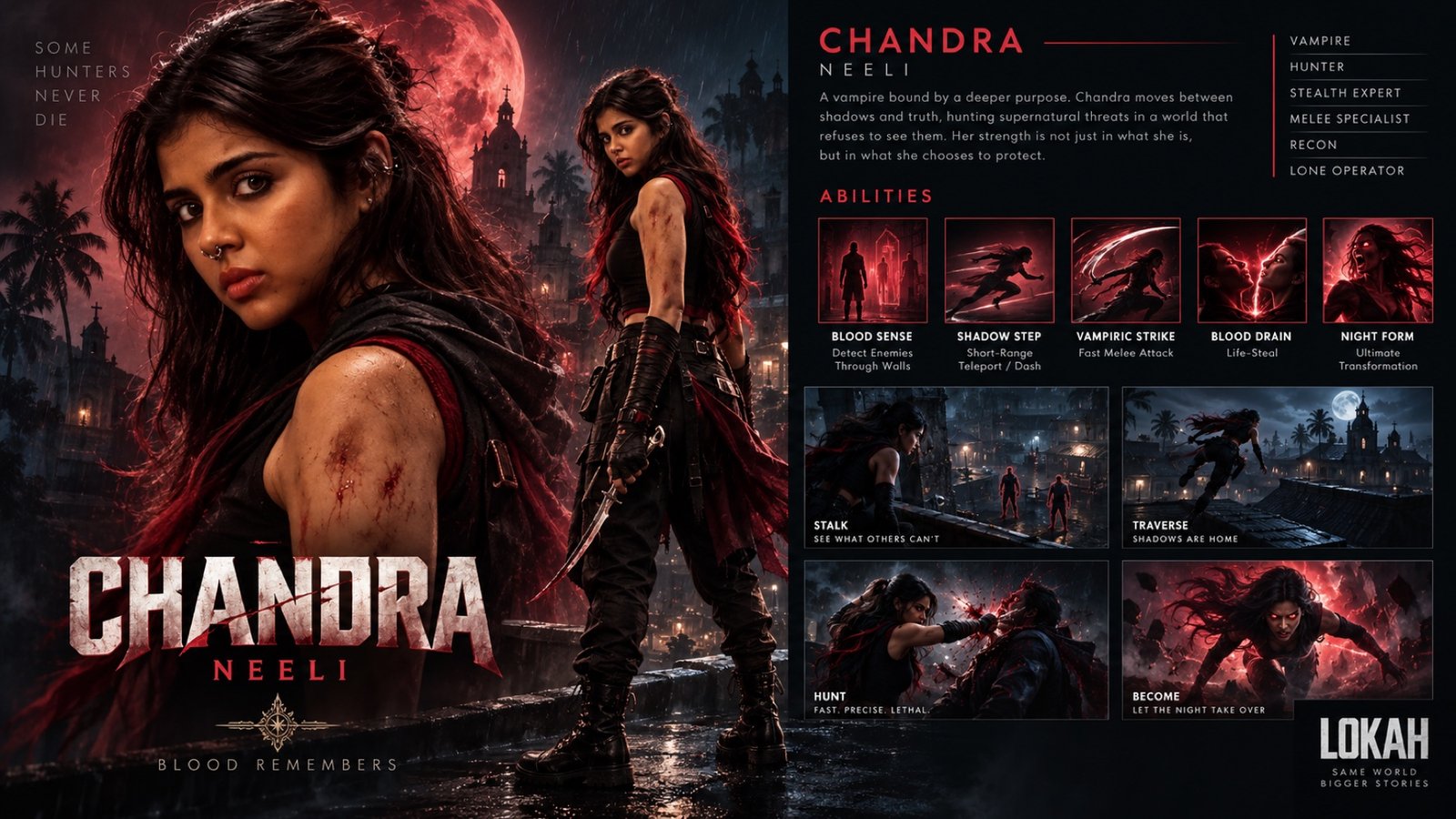
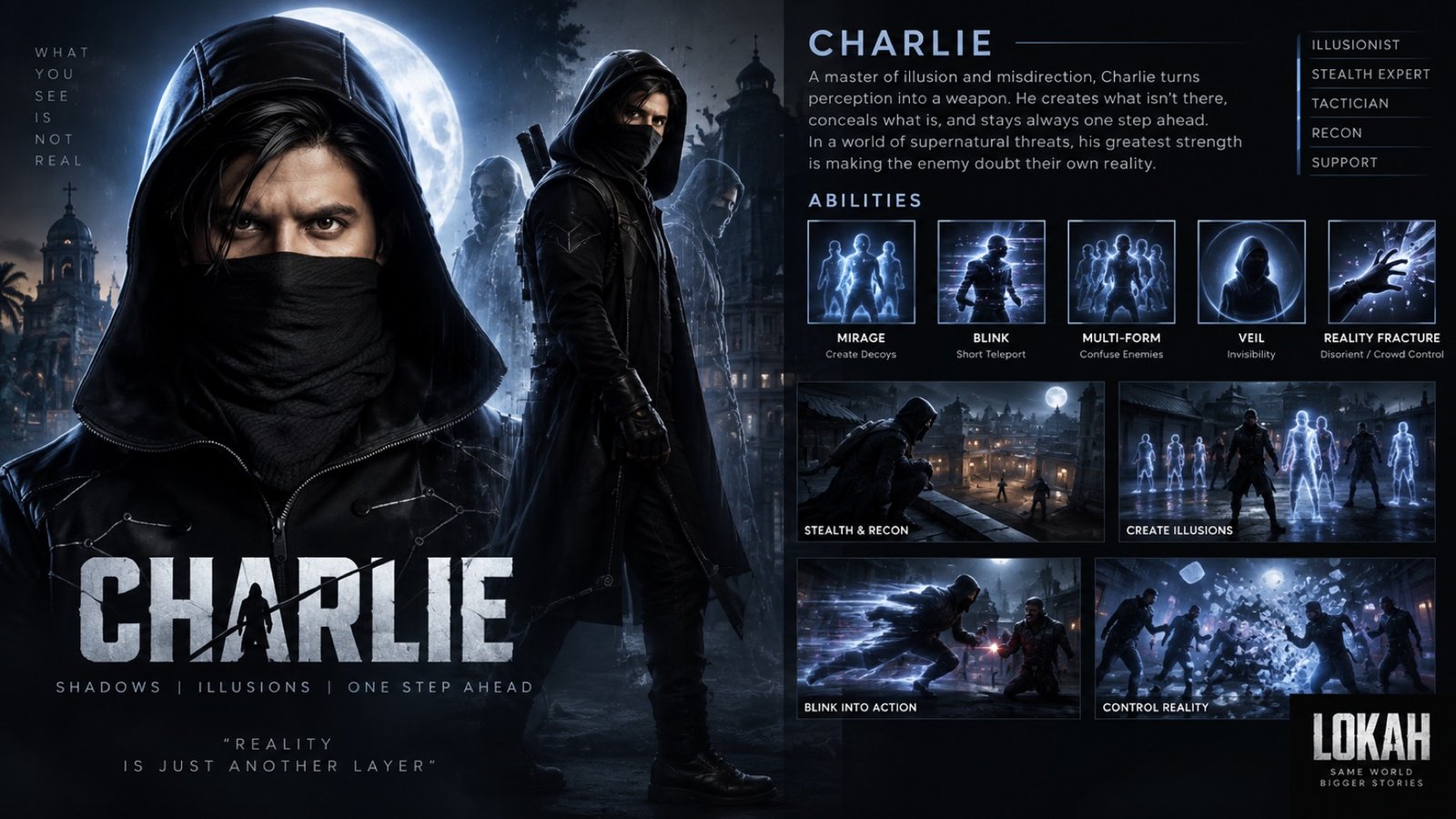
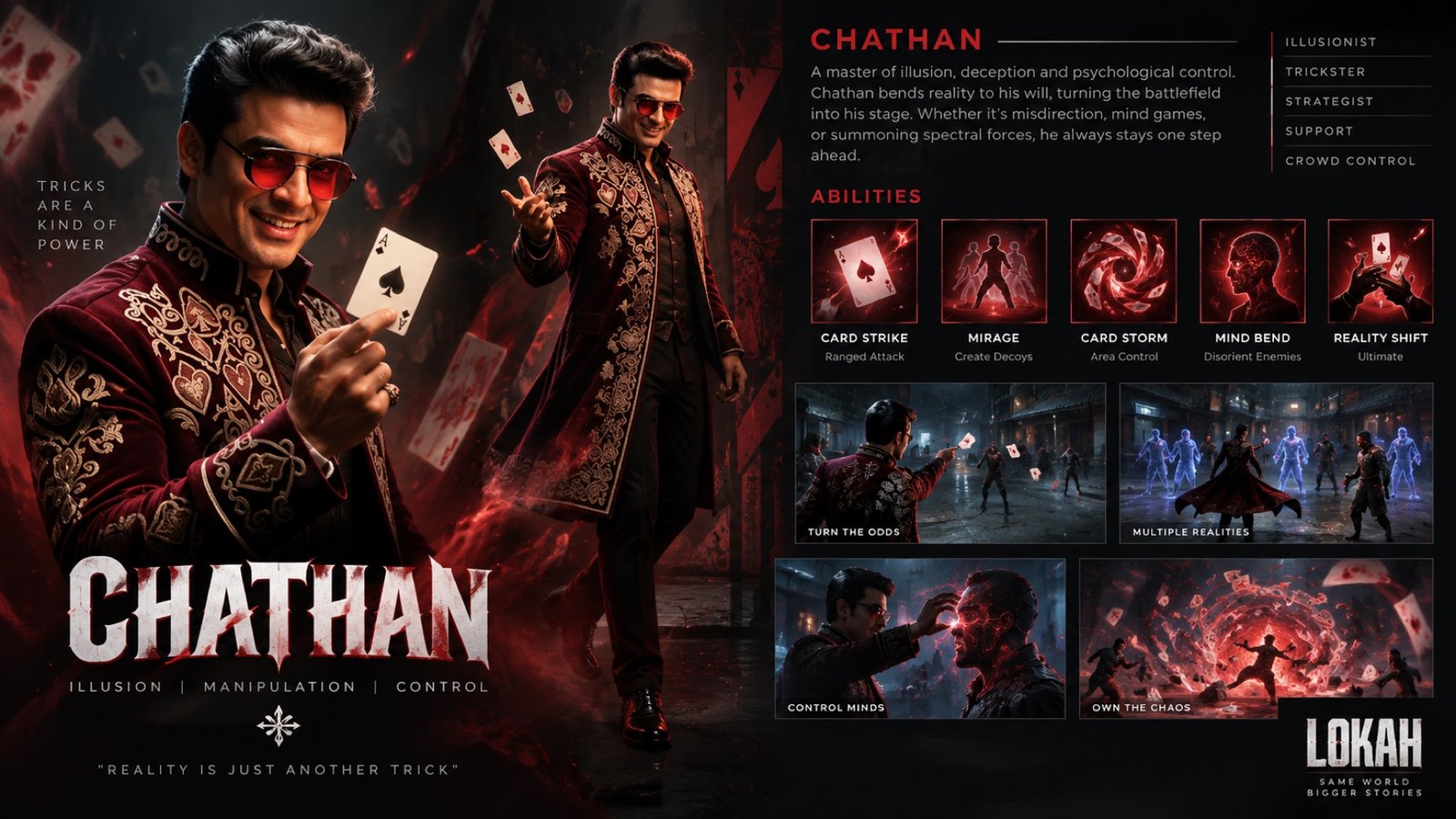
Charlie, Michael, and Chandra carry the conflict. Charlie, a shapeshifting Odiyan tied to law and order, protects the resistance. Michael, a Goblin/Chathan, arcs from self-interest toward meaningful involvement. Chandra, a vampire, is inseparable from the artifacts and the outcome of the war.
"Her blood, memories, and connection to the supernatural conflict make her one of the most important figures in the war."
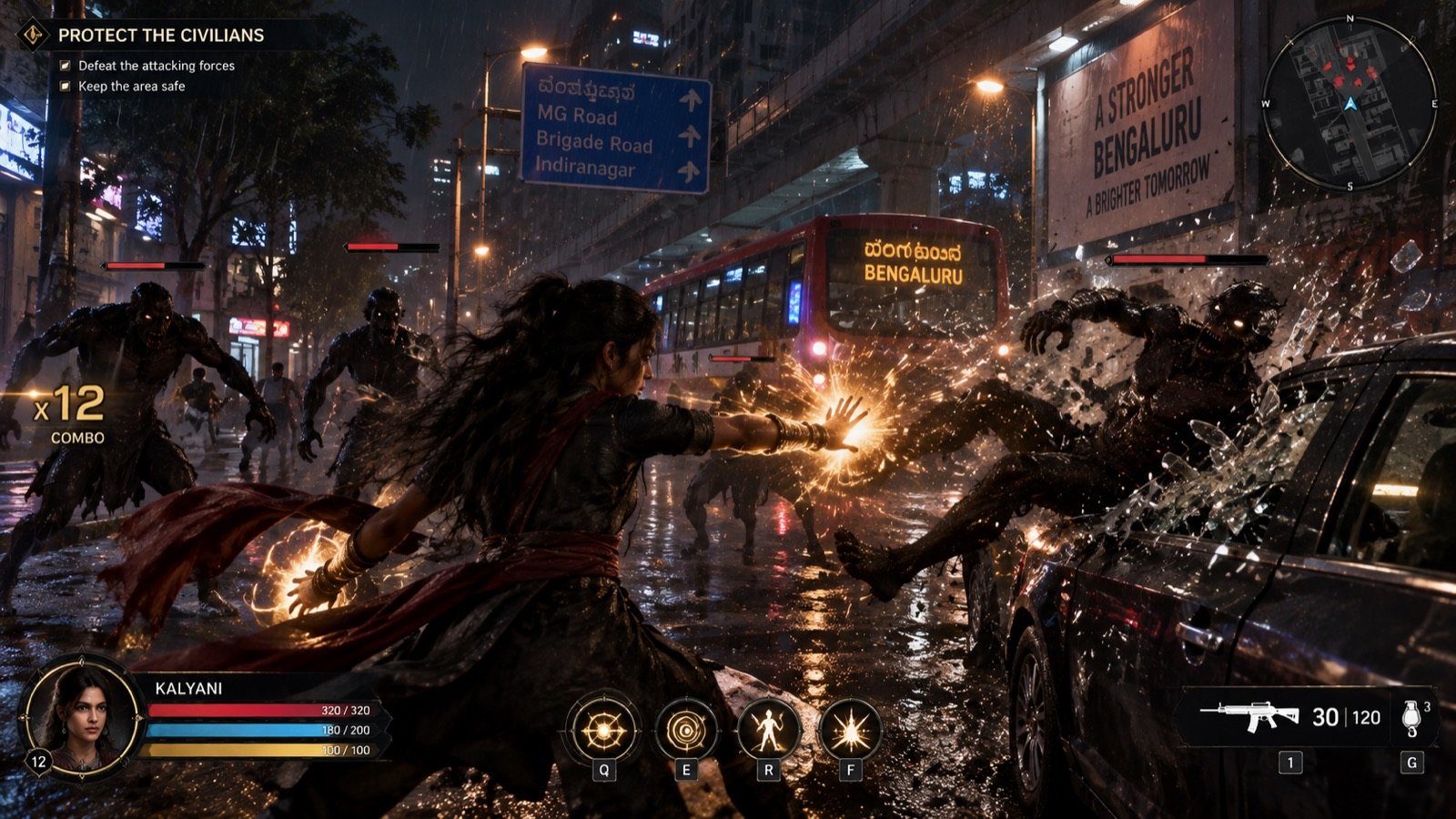
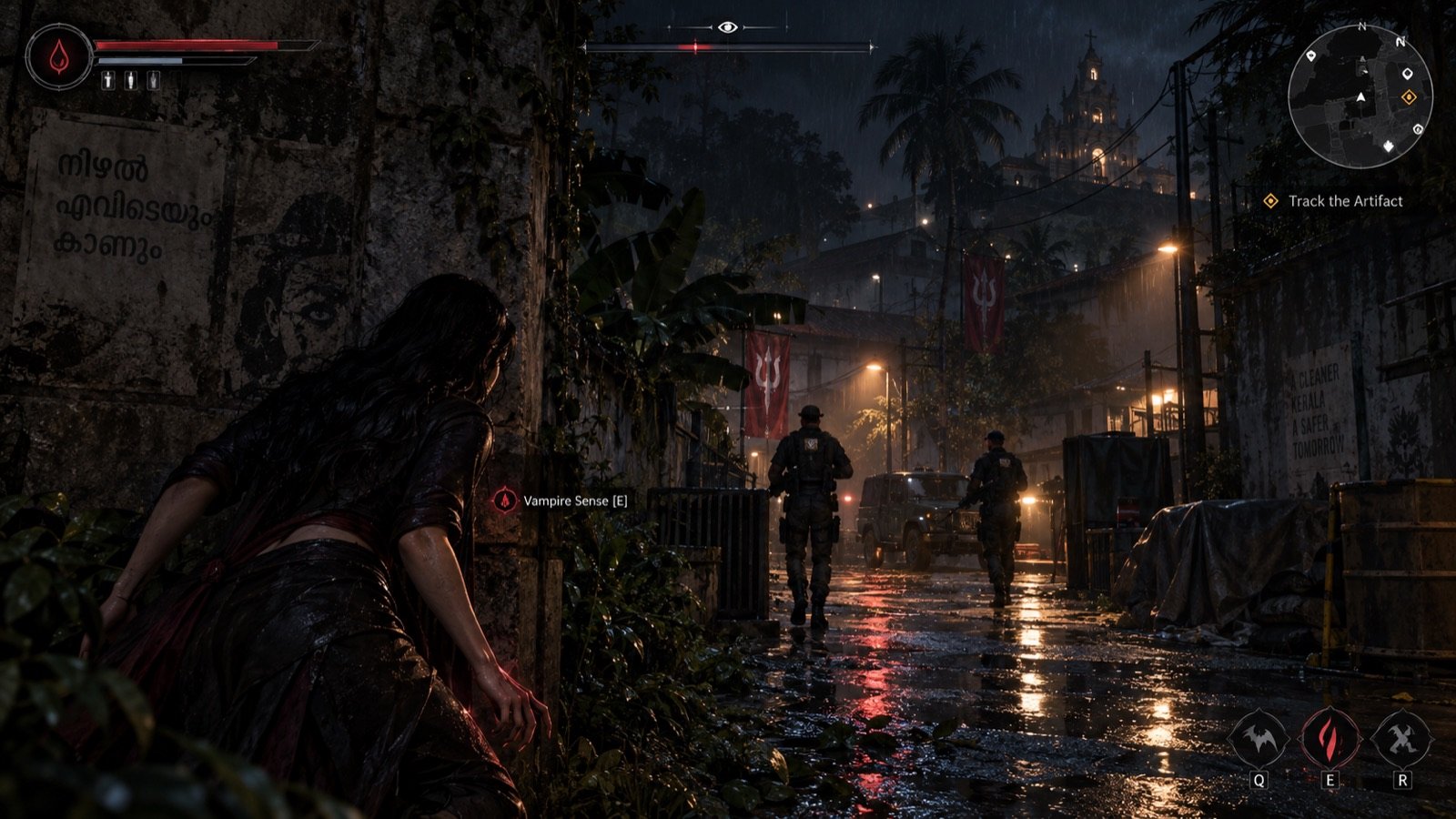
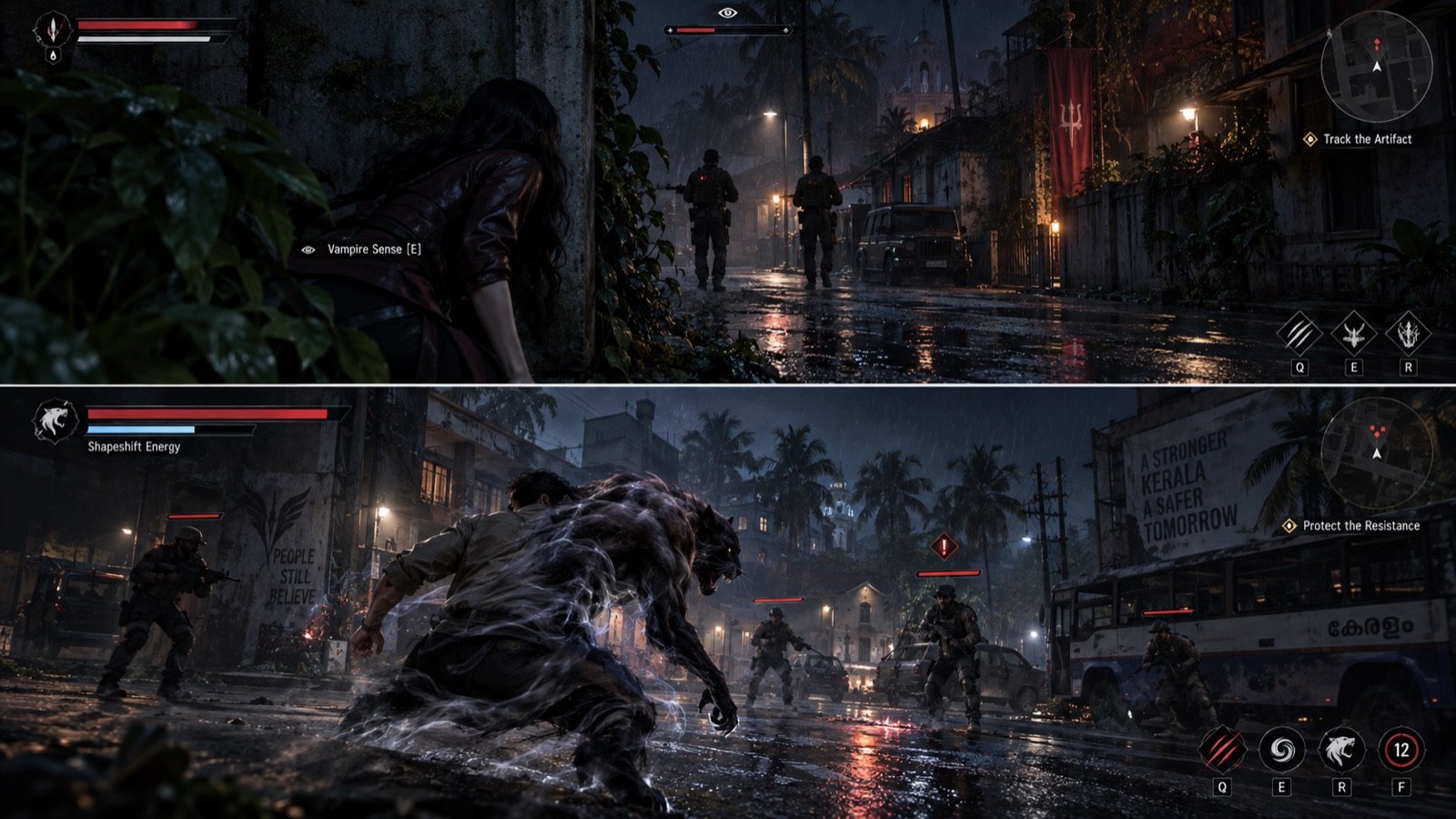
Built for players who leave the theater wanting to fight as a vampire, goblin, human, or shapeshifter — not just watch one.
Narrative campaigns carry the faction war forward mission by mission.
Multiple playable perspectives across human and supernatural roster.
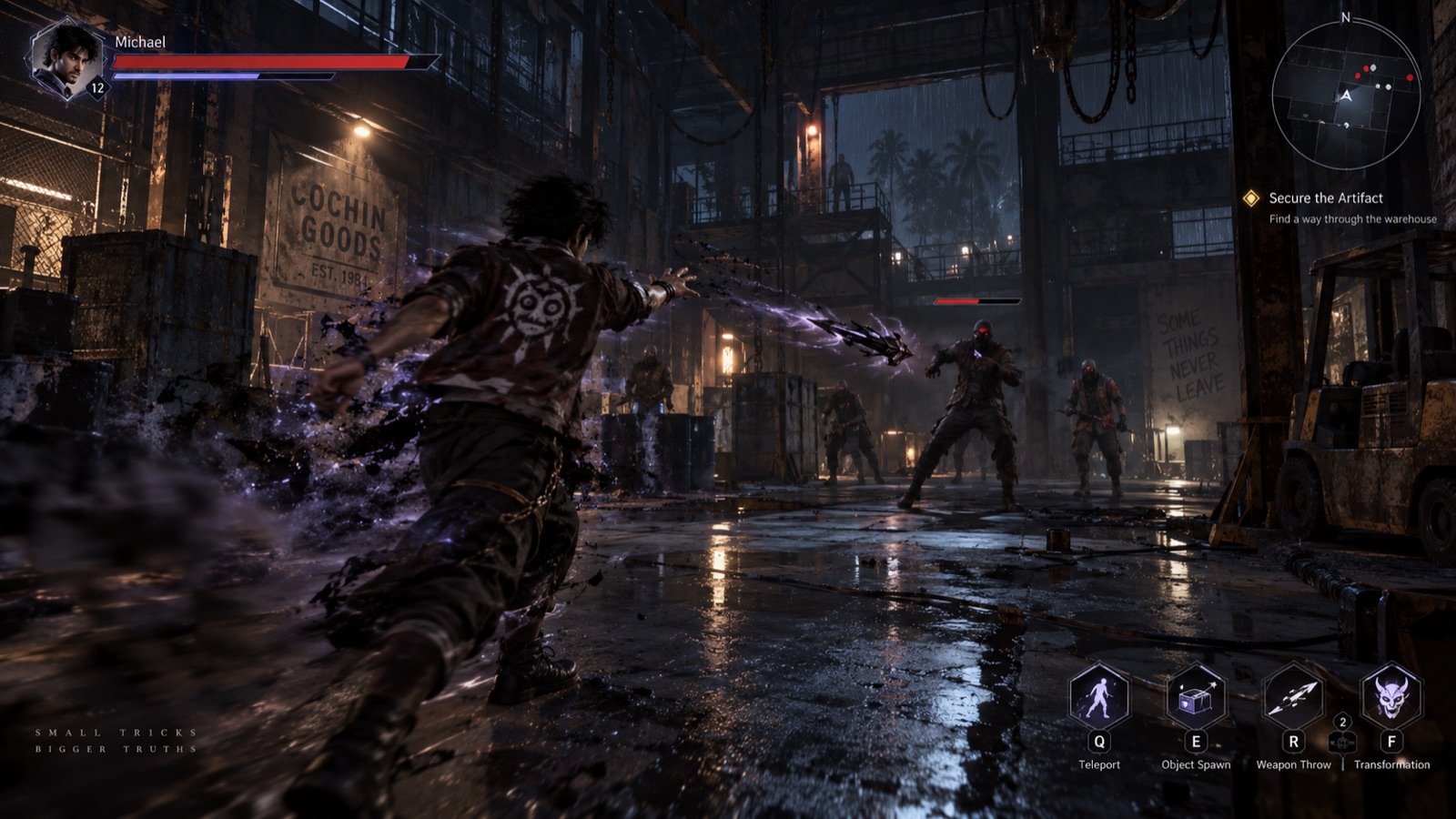
Grounded fighting-game feel layered with power-based abilities.
Choices and loyalty shape standing across the war's factions.
Artifacts, safehouses, and supernatural territory beyond the film's frame.
Character upgrades and combat builds deepen over the campaign.

PC is the only platform that lets the full scope of the Lokah universe — its environments, VFX, animation systems, and combat — exist without hardware compromise.
The people who've watched the film become motivated to try the game; PC gamers who discover the game — a global, not just Indian, audience — become newly aware of the film. It's a two-way marketing strategy for both properties.


Full character-kit dossiers — powers, abilities, and combat identity for each playable lead.

In the story: the central figure in the conflict. Her existence is inseparable from the hidden artifacts and the outcome of the larger supernatural war — target, weapon, and symbol of hope at once.

In the story: tied to the human side and law-based systems. Functions as one of the resistance's central protectors against Ishtaar's forces.

Michael, the Goblin / Chathan. An important combat and story character whose loyalty arc can shift — from uncertain self-interest into meaningful commitment to the larger fight.

Realism isn't the goal — a compelling, original visual identity is. Influence, not imitation, from stylized action games with strong faction identity and readable silhouettes.
Vampire-driven storytelling, disguise systems, supernatural politics, and narrative choice — tweaked for Kerala's own streets and architecture rather than a borrowed geography.
Close-range combat feel, combo systems, counters, and strong melee presentation for the fighting-game layer.
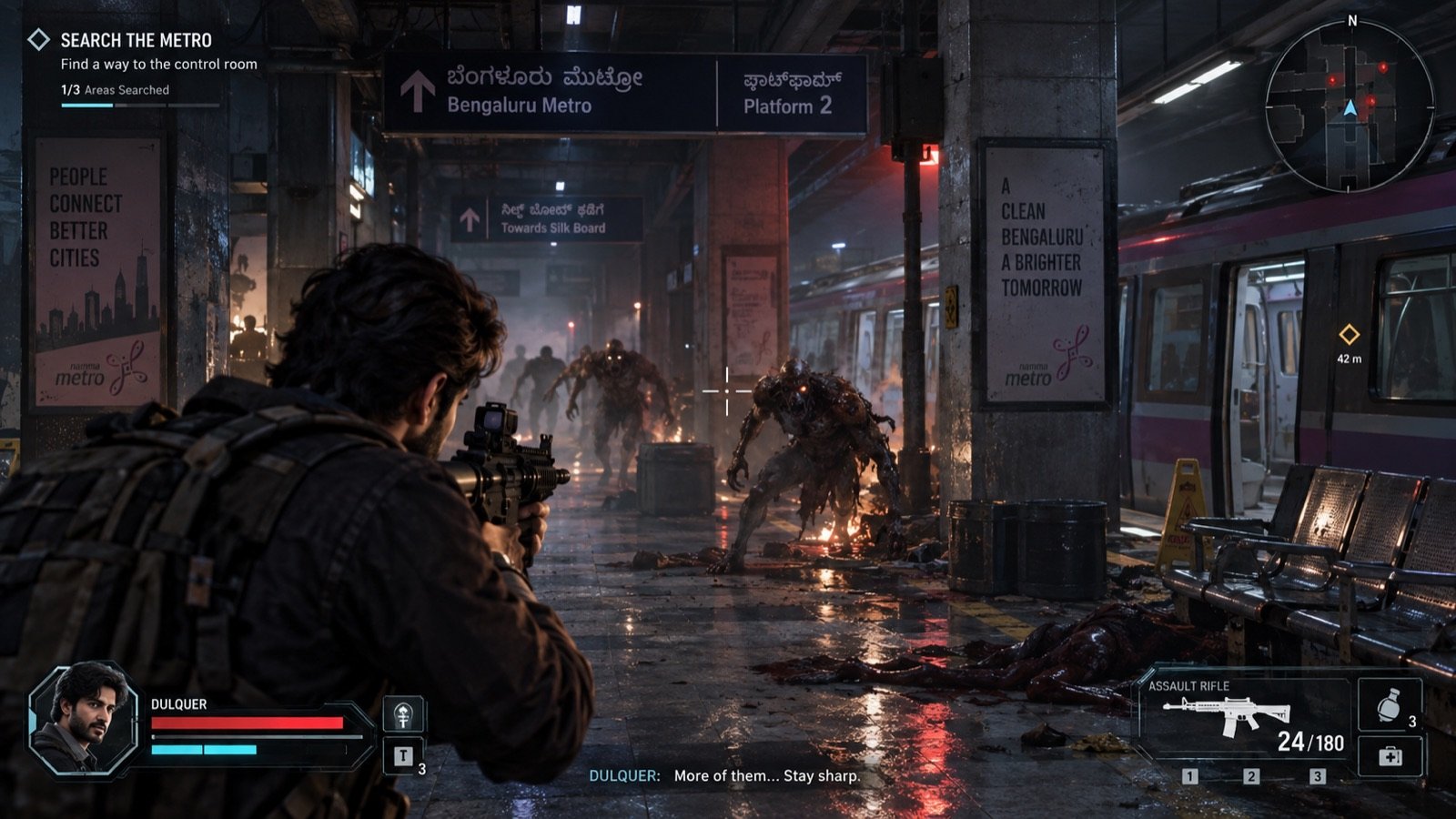
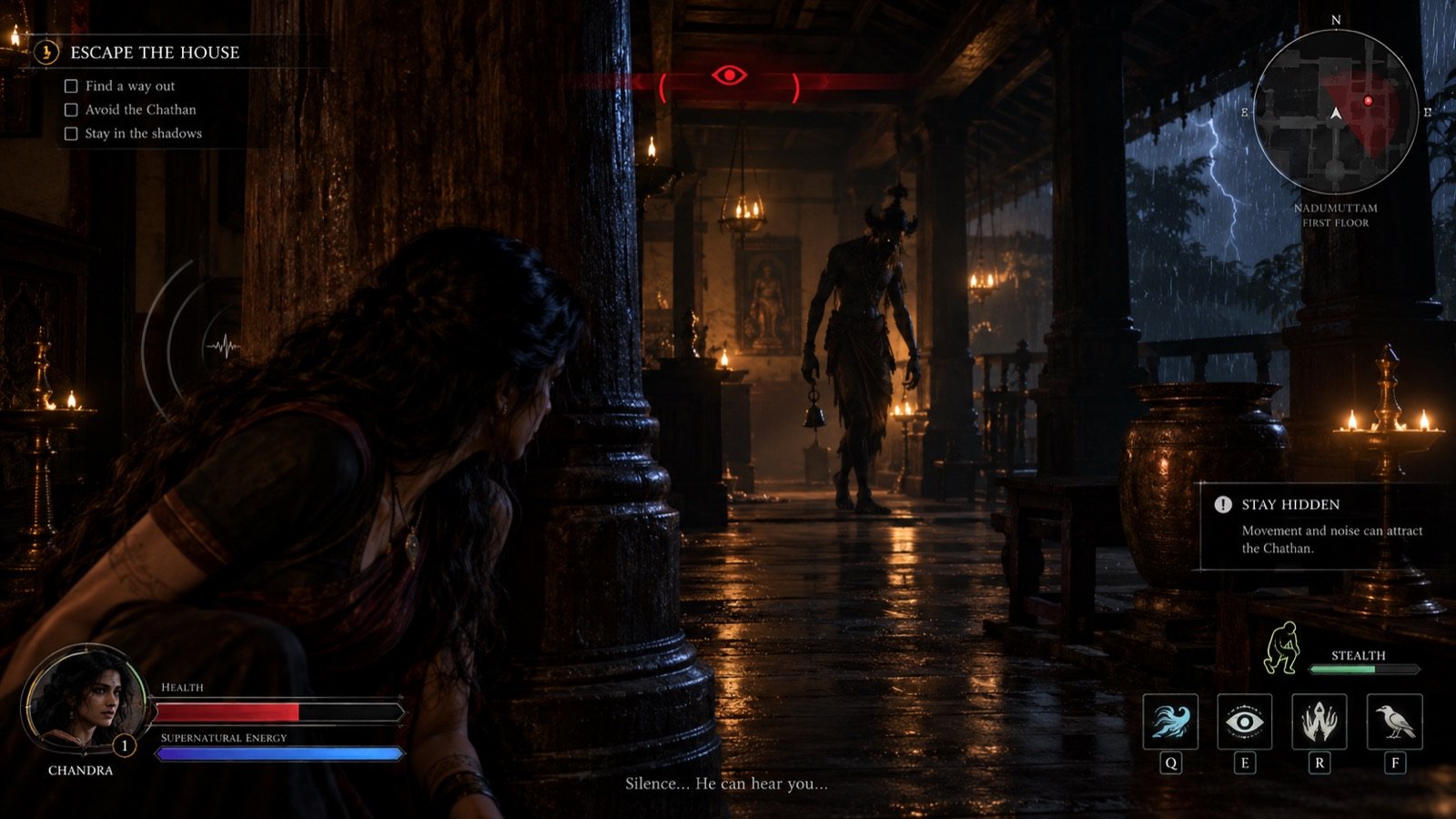
Environment and lighting that carry an eerie, horror-tinged atmosphere in the right missions.
Horror pacing, specific level design, and puzzle beats to progress tense sequences.
Bold stylization, strong silhouettes, and accessible visual readability across a large cast.
Not every mission is a fight. Movement and noise attract the Chathan — this is where the Evil Within-style pacing and Resident Evil lighting earn their place, forcing Chandra to stay hidden instead of swinging.

This concept combines an existing cinematic universe with player-driven action, faction conflict, and supernatural variety — the fantasy of entering the Lokah world not as a viewer, but as a participant who fights, chooses sides, and uncovers the truths the film never had time to show.
The game should not be positioned as a separate product — it is the interactive arm of the Lokah IP. The film creates awareness, characters, and mythology; the game lets audiences build engagement and opens a second monetization layer.
These examples show how games extend film IP beyond the theatrical window, generate independent revenue, and create measurable audience spillover.
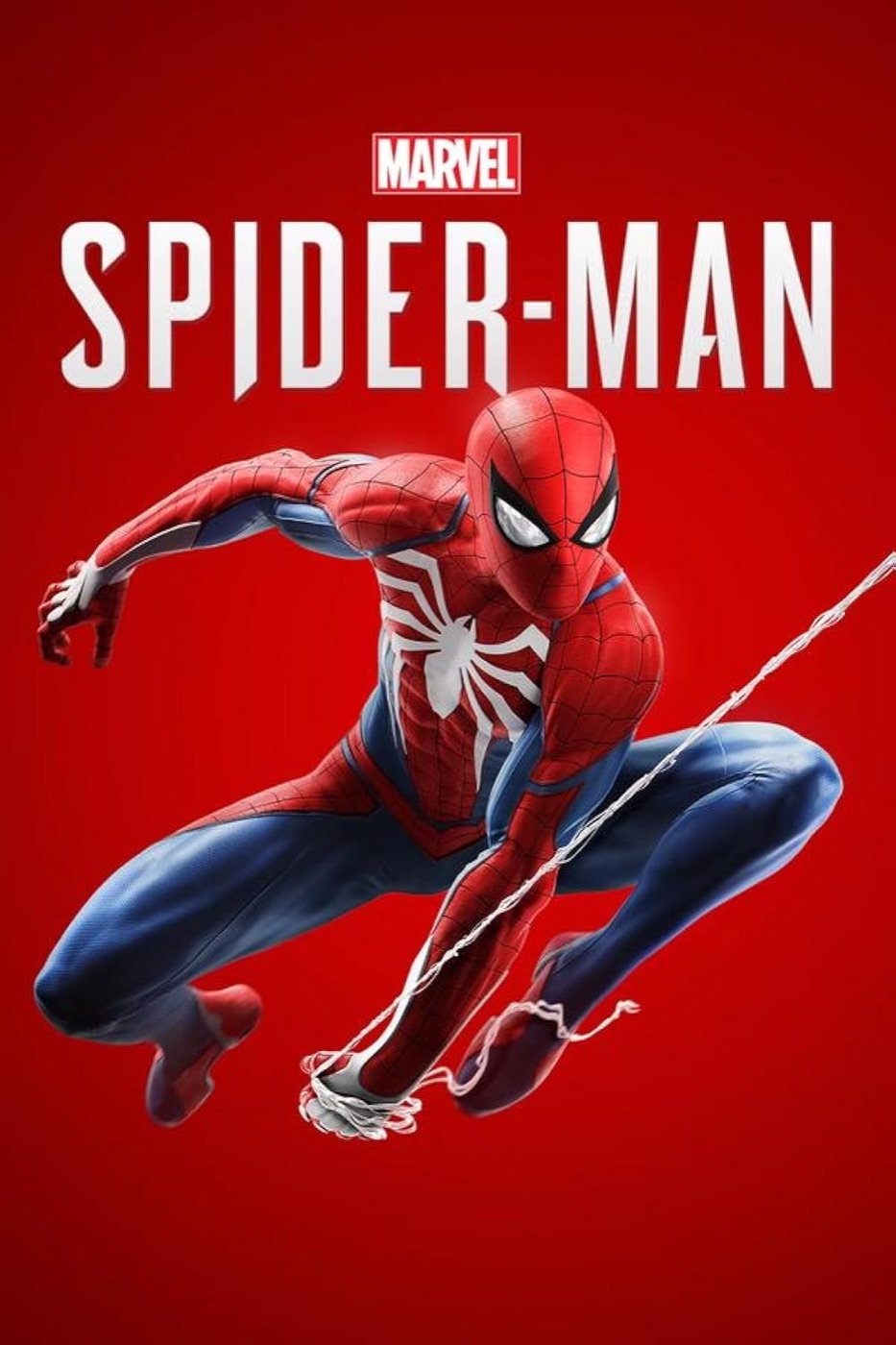
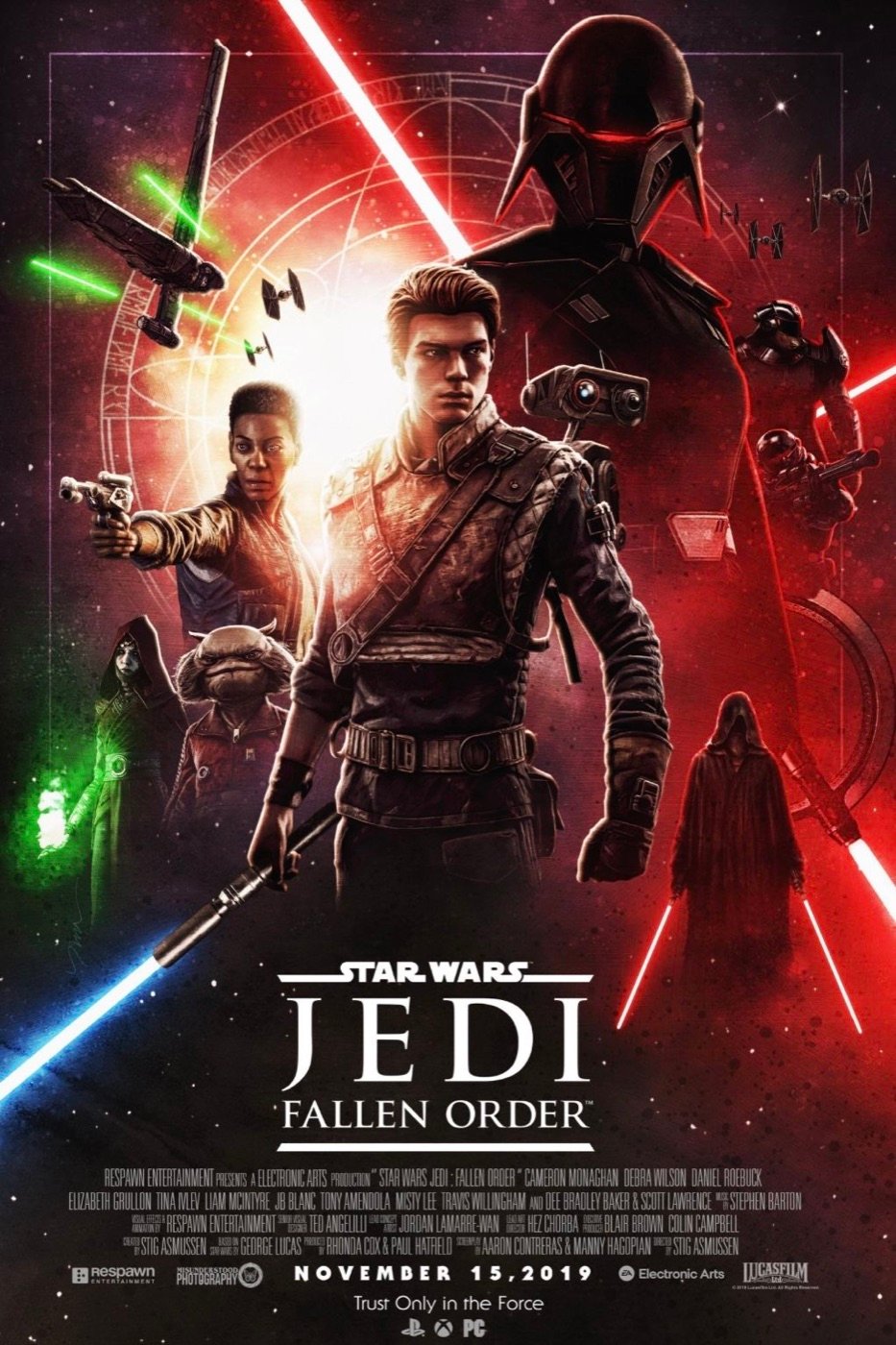
Film → Game Halo EffectAnalysis cited by GamesRadar found Marvel's Spider-Man 2 sold an estimated 316,000 additional copies and generated over $11M across PS5 and Steam in the first two weeks after Brand New Day opened — on top of 18.2M lifetime copies and $1.2B in estimated revenue.
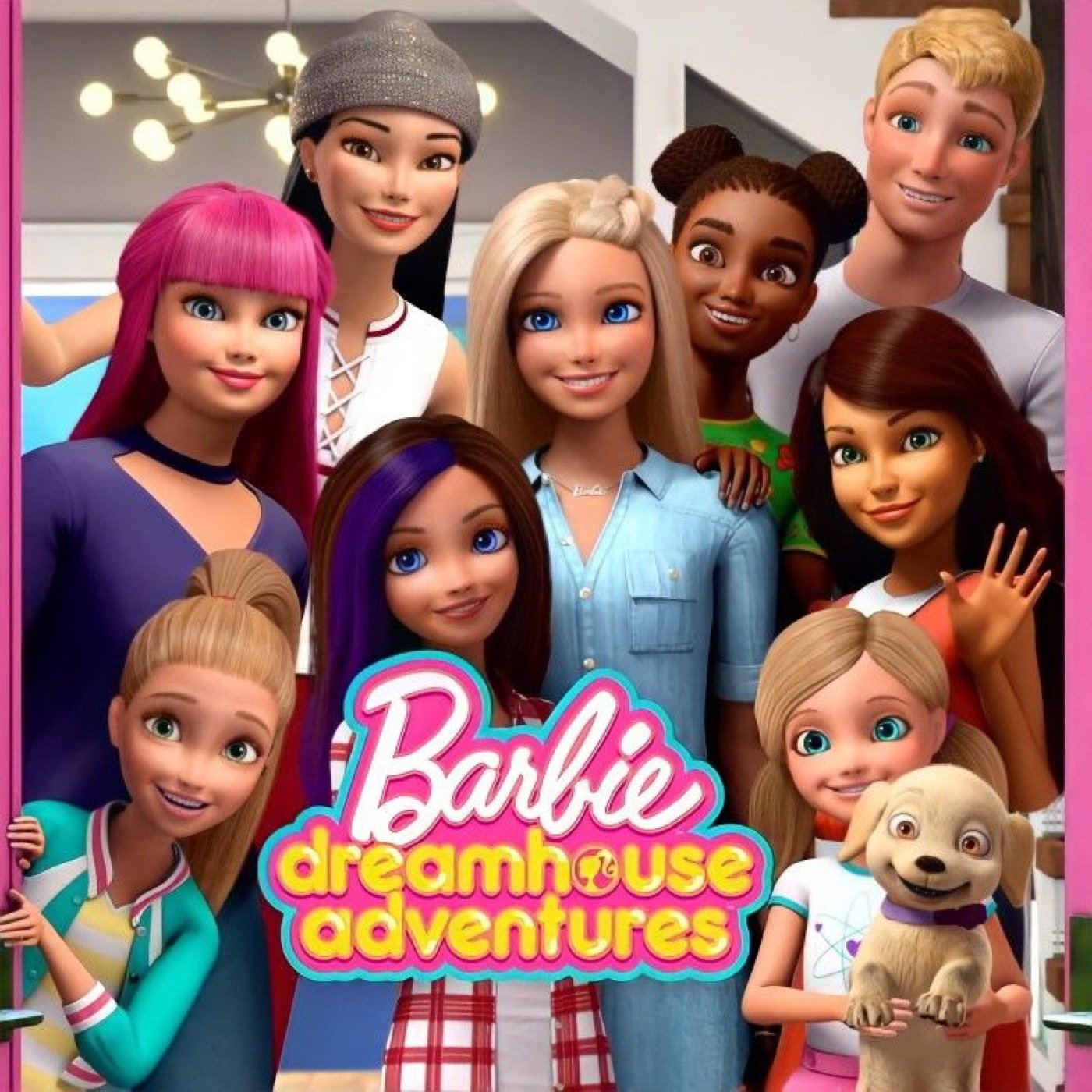
Interactive World as IP ExtensionGamefam's published case study reports 405M+ gameplay sessions and an 88% player rating, ranking #6 among the most-visited branded games on Roblox — extending the 2023 Barbie moment to a new generation.
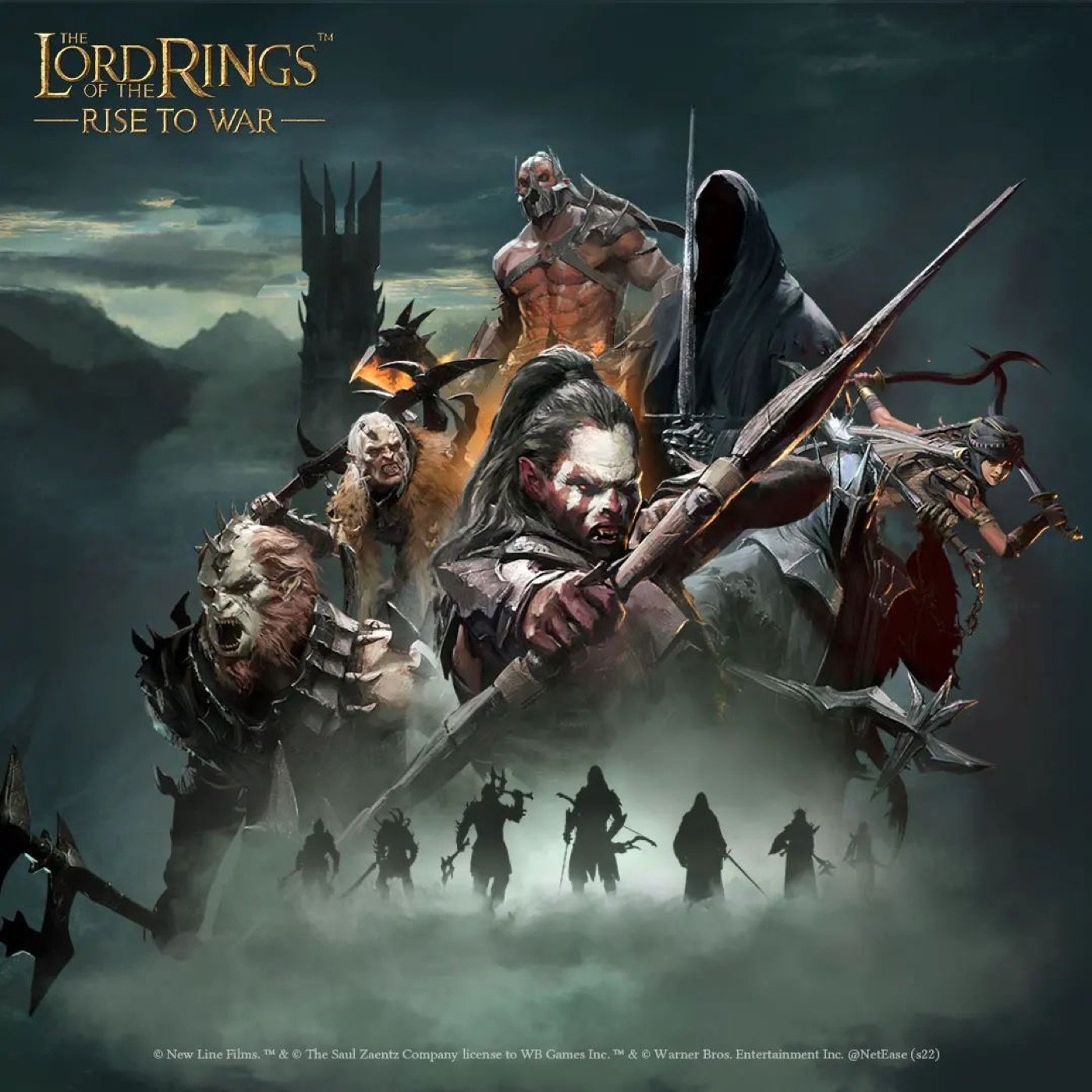
Movie Tie-In RevenueEA's tie-in sold about four million units worldwide. A Stanford eCorner transcript of an EA executive discussion describes the result as a launchpad for a much larger business.
Persistent Global EcosystemGuinness World Records lists Star Wars as the most prolific videogame series based on a film franchise — 163 titles across 56 platforms as of January 2024, and over $3.4B in videogame sales recorded as of February 2016.
What this means for Lokah: the argument is not that Lokah reproduces the scale of Marvel, Barbie, Lord of the Rings, or Star Wars.
The argument is that successful film IP can use games to open an additional audience channel, extend engagement beyond the theatrical release, and generate a separate product revenue stream — and, just as importantly, build the awareness and character recall that carry into the next film.
A game doesn't only sell copies. It manufactures the thing a franchise needs most before its next film — familiarity, at global scale, at almost no marketing cost.
Players who've never seen a Malayalam film learn Ishtaar, the Alliance, and Kerala's hidden supernatural world through gameplay, streams, and creator content — reach the theatrical window alone can't buy internationally.
Hours spent playing as Chandra, Michael, and Charlie build a depth of character memory a two-hour film can't — so audiences arrive at Chapter 2 already knowing exactly who's on screen.
Every faction, artifact, and hidden territory introduced in-game becomes canon the next film, series, or spin-off can draw from — the game doubles as pre-production for the wider universe.
Alongside the awareness and character recall above, each layer also converts into direct, trackable revenue:
| Revenue Layer | Lokah Opportunity | Role in the IP |
|---|---|---|
| Film | Theatrical / streaming | Creates awareness and mythology |
| Premium PC Game | Game sales | Converts viewers into players |
| DLC / Expansions | New characters, missions, territories | Extends engagement and lifetime value |
| Licensing / Merchandise | Characters, factions, artifacts | Monetizes recognizable IP |
| Creator / Community Campaigns | Streaming, YouTube, events | Global discovery and word-of-mouth |
| Future Media | Series, sequels, spin-offs | Builds a persistent universe |
The film begins with its cinematic audience and existing Lokah fan base. A PC game adds a global discovery channel — international players encounter the characters through gameplay, streaming, and creator content, then become potential viewers of the film. Film viewers become players; players become viewers. A two-way marketing loop.
A premium PC action RPG, positioned as the interactive arm of the Lokah universe — not a side product, but a second front for global awareness, character recall, and revenue, laying the runway for the films still to come.